You can select the perfect patio furniture, install a stunning outdoor kitchen, and plant beautiful gardens—but if they're positioned poorly, you'll use them far less than you imagined. Strategic placement transforms good features into great outdoor experiences. This guide explores two critical frameworks: understanding sun path and optimizing flow between indoor and outdoor spaces.
Understanding Sun Path
The sun's position changes dramatically throughout the day and year. What's perfectly comfortable at 10 AM might be unbearable at 2 PM, and what works in April may fail in August.
Sun Path Basics
In the Northern Hemisphere:
- The sun rises in the east and sets in the west (roughly)
- Summer sun rises northeast, tracks high overhead, sets northwest
- Winter sun rises southeast, tracks low across the southern sky, sets southwest
- South-facing areas receive the most consistent sun year-round
- North-facing areas receive primarily indirect light
A feature that's perfectly shaded in June may receive brutal afternoon sun in September. Always analyze sun exposure across seasons before finalizing placement.
Shade Structure Positioning
Getting shade placement wrong is one of the most common—and costly—landscape mistakes.
Critical considerations:
Pergolas and shade structures:
- Orient east-west for overhead shade during midday heat
- North-south orientation provides morning or afternoon shade depending on season
- Consider where shadows will fall at different times of day
- Account for how shade patterns change between summer and winter
Trees for shade:
- Deciduous trees on south and west sides provide summer shade, winter sun
- Evergreens on north sides block winter wind without blocking valuable winter sun
- Consider mature canopy size and shape—fast-growing trees often provide sparse shade
- Plan for 10-20 years of growth when positioning
Common mistakes:
- Installing a pergola without understanding afternoon sun angle
- Planting shade trees too close to the house (foundation damage, gutter issues)
- Forgetting that shade structures cast shadows that move throughout the day
- Ignoring wind direction (shade without wind protection may not feel comfortable)
Plant Placement by Sun Exposure
Every plant has preferred light conditions. Matching plants to actual site conditions—not assumptions—dramatically improves success.
Full sun plants (6+ hours direct sun):
- Most vegetables and herbs
- Roses and flowering perennials
- Many California natives
- Ornamental grasses
Partial shade plants (3-6 hours direct sun):
- Many ferns and hostas
- Begonias and impatiens
- Japanese maples
- Hydrangeas
Full shade plants (less than 3 hours direct sun):
- Ferns and moss
- Cast iron plant (Aspidistra)
- Some native woodland species
- Many groundcovers

Mapping your property:
- Visit your yard at 9 AM, 12 PM, and 3 PM on a clear day
- Note which areas are in sun vs. shade at each time
- Repeat in different seasons if possible
- Mark permanent shadows from buildings, fences, and large trees
- Use this map to guide planting decisions
Designing for Flow
How people move through outdoor spaces matters enormously. The most beautiful patio fails if it's inconvenient to access. The best outdoor kitchen sits unused if it requires crossing the entire yard to retrieve forgotten ingredients.
Connecting Indoor and Outdoor Spaces
Think about which indoor rooms connect to which outdoor areas—and design accordingly.
Kitchen → Outdoor kitchen/dining:
The indoor kitchen should connect as directly as possible to outdoor cooking and dining areas. Every trip carrying food, dishes, or supplies should be short and unobstructed.
Ideal configurations:
- Direct door from kitchen to outdoor kitchen area
- Minimal steps between inside and outside
- Protected pathway if not directly connected
- Consider a pass-through window for easy serving
If your outdoor kitchen is more than 30 feet from your indoor kitchen, you'll find yourself making fewer elaborate outdoor meals. Proximity matters more than you think.
Living room → Outdoor lounge:
These spaces should feel connected visually and physically, extending your living space outward.
Design considerations:
- Align sightlines from indoor seating to outdoor focal points
- Match flooring colors or materials for visual continuity
- Position outdoor lounge to be visible from inside
- Ensure easy access without crossing through other zones
Pool Placement Principles
Pools require careful positioning relative to house access and supporting facilities.
Access considerations:
- Primary entry point should be near a bathroom and changing area
- Wet-foot path from pool to house should be short and durable
- Towel and supply storage should be adjacent to pool area
- Equipment location should allow easy service access without crossing main areas
Best room connections for pools:
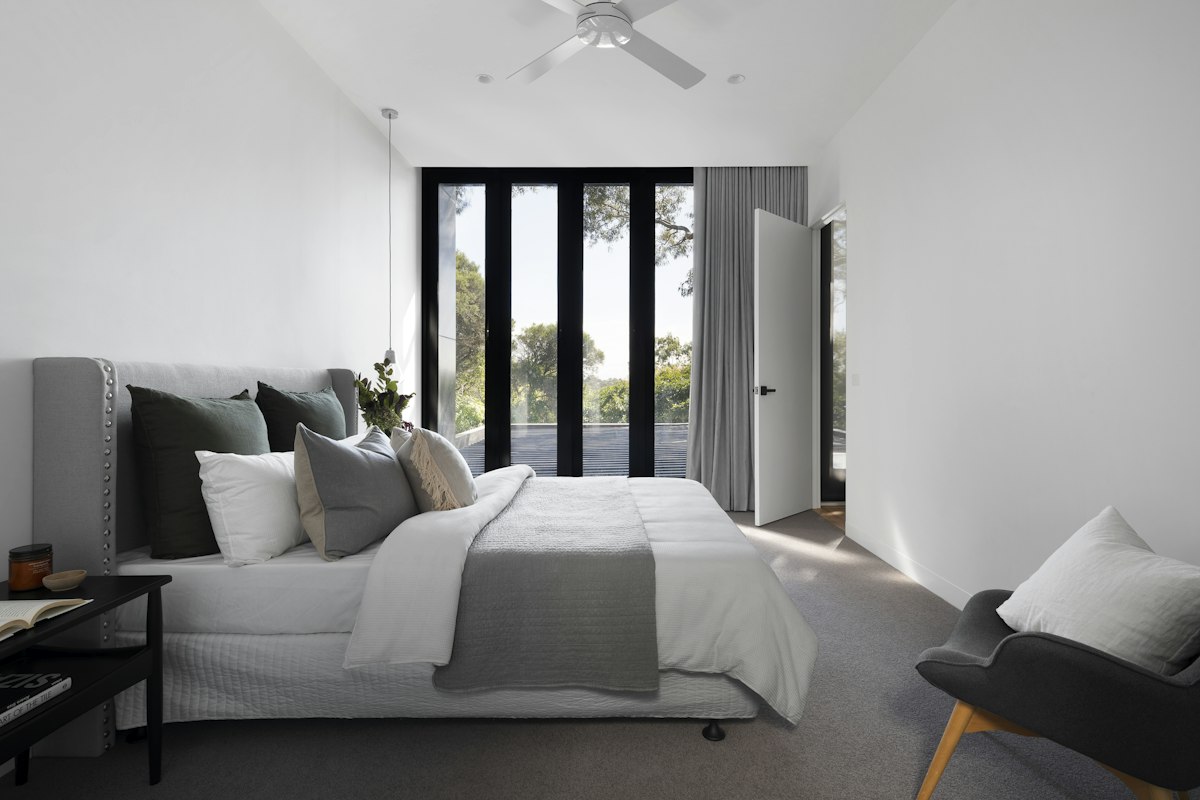
- Master bedroom → private pool access (adult-focused designs)
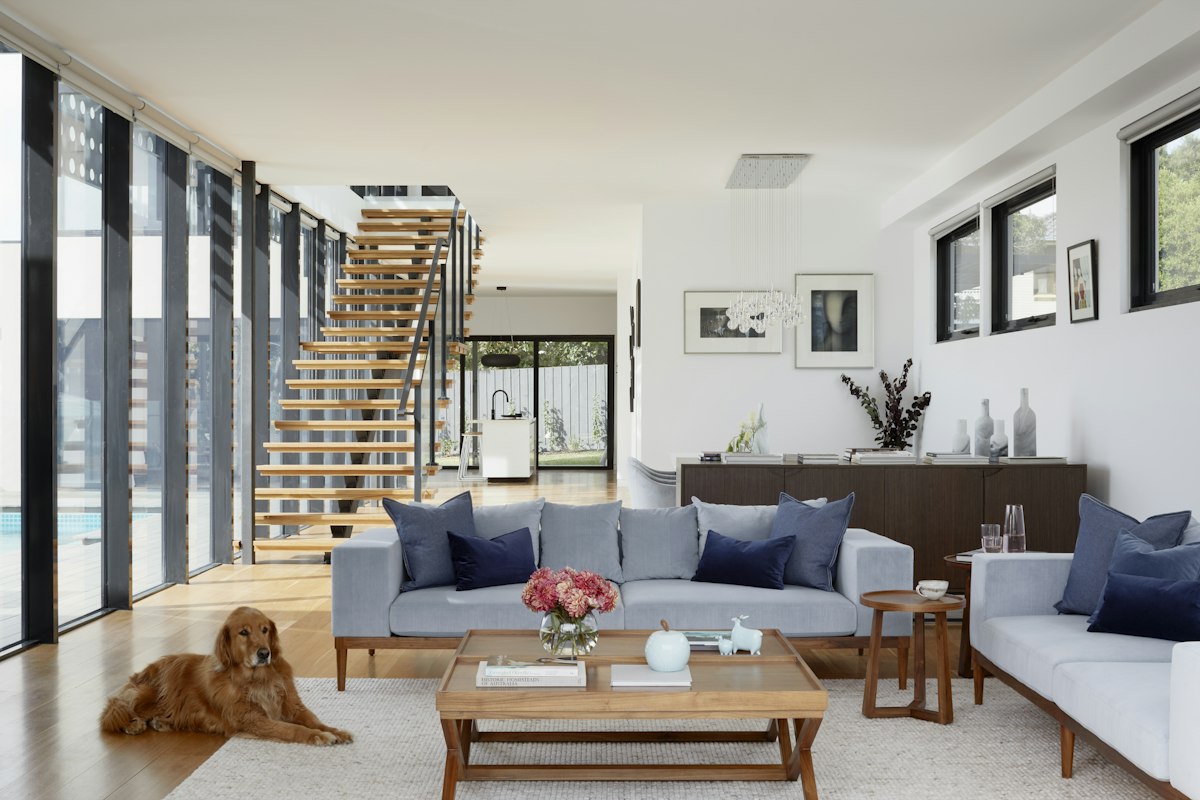
- Family room → main pool deck (family-focused designs)
- Guest bath → convenient changing for visitors
- Laundry room → wet towels can go directly to wash
Poor configurations to avoid:
- Pool accessible only through formal living spaces
- Long walks across grass (muddy feet, cold walks)
- Equipment blocking primary views or creating noise issues
- Sun deck positioned in afternoon shadow
Outdoor Kitchen Placement
Beyond connecting to the indoor kitchen, outdoor cooking areas have additional siting requirements.
Positioning factors:
Smoke and odor:
- Position grills downwind from seating areas
- Consider prevailing afternoon breeze direction
- Allow adequate clearance from combustible materials
- Keep away from bedroom windows
Utility connections:
- Gas line routing affects placement options
- Electrical for lighting, refrigeration, and outlets
- Water for sinks and easy cleanup
- Drainage for grease and water waste
Workflow:
- Prep area → grill → serving surface should flow logically
- Refrigerator accessible from prep area
- Trash/recycling convenient but not prominent
- Clear path for serving to dining area
Fire Feature Placement
Fire pits and fireplaces create gathering points—position them to maximize enjoyment.
Key considerations:
- Wind direction — Smoke shouldn't blow toward seating
- Distance from structures — Check local fire codes, typically 10-25 feet
- Viewing angles — Position for enjoyment from key vantage points
- Seating arrangement — Allow comfortable conversation distance (8-10 foot diameter circle)
- House proximity — Close enough for easy access, far enough for safety
Integration tips:
- Fire features positioned between seating and views can obstruct sightlines
- Consider sunken fire pits to reduce visual obstruction
- Locate away from overhanging branches or structures
- Provide nearby storage for firewood or fire pit covers
Creating Your Site Analysis
Before finalizing any landscape plan, create a comprehensive site analysis that maps:
Sun analysis:
- [ ] Morning sun exposure (9 AM)
- [ ] Midday sun exposure (12 PM)
- [ ] Afternoon sun exposure (3 PM)
- [ ] Seasonal variation notes
- [ ] Permanent shadow zones
Circulation mapping:
- [ ] Primary exit points from house
- [ ] Paths you naturally walk today
- [ ] Views from key indoor rooms
- [ ] Noise sources and wind patterns
- [ ] Utility and service access routes
Feature placement checklist:
- [ ] Does each feature connect logically to relevant indoor spaces?
- [ ] Are shade structures positioned based on actual sun angles?
- [ ] Do planting locations match plant sun requirements?
- [ ] Is the pool accessible from bathrooms and storage?
- [ ] Does the outdoor kitchen connect efficiently to the indoor kitchen?
- [ ] Are fire features safely distanced with proper wind orientation?
Common Placement Mistakes
Learn from others' errors:
Shade structures:
- Building a pergola that provides shade only in winter
- Positioning shade too far from the area needing protection
Pools:
- Locating the pool where it's only visible from secondary rooms
- Placing equipment where noise disturbs bedrooms or outdoor seating
Outdoor kitchens:
- Installing the grill upwind from the dining table
- Creating an outdoor kitchen too far from the indoor kitchen
Planting:
- Sun-loving plants in afternoon shade
- Shade plants in reflected western sun
- Large trees too close to pools (leaves, roots) or houses
Ready to optimize your outdoor space placement? Contact cf.design for a professional site analysis that considers sun patterns, circulation, and the unique features of your property.