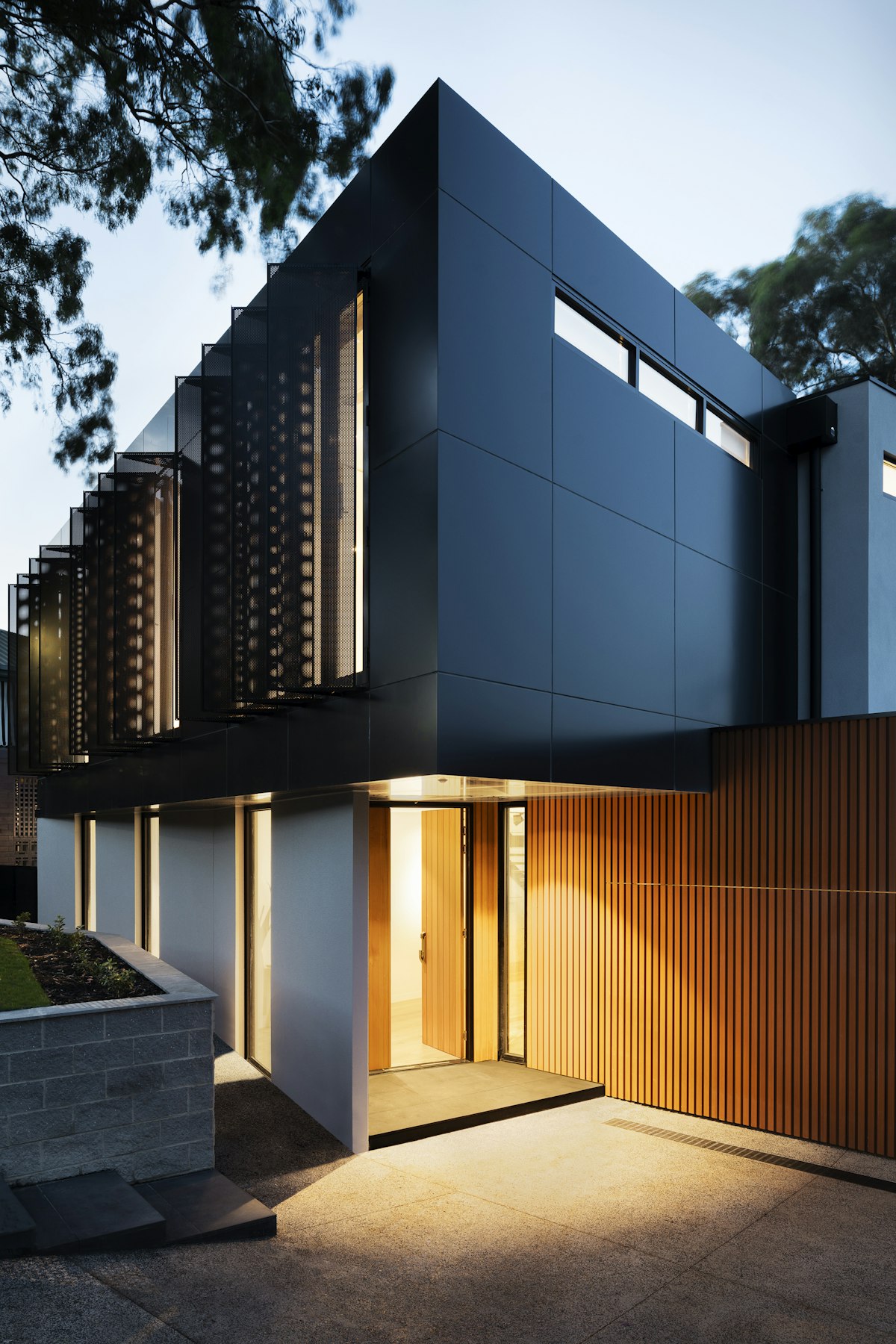
The hardscape materials you choose will define the character of your outdoor space for decades. Beyond aesthetics, your selection impacts durability, maintenance requirements, safety, and budget. This guide breaks down the most popular options to help you make an informed decision.
Understanding Your Options
Before diving into specific materials, consider the factors that should guide your choice:
- Climate and weather exposure in your region
- Intended use (high traffic, vehicles, foot traffic only)
- Aesthetic goals and architectural style of your home
- Budget for both installation and long-term maintenance
- DIY vs. professional installation requirements
Concrete Pavers
Concrete pavers remain the most popular hardscape choice, and for good reason. Modern manufacturing techniques have elevated these from basic gray blocks to sophisticated design elements.

Advantages:
- Versatility — Available in countless colors, shapes, and textures
- Durability — Properly installed pavers can last 25-50 years
- Repairability — Individual pavers can be replaced if damaged
- Cost-effective — Generally $12-25 per square foot installed
- Consistent sizing — Easier installation and predictable layouts
Considerations:
- Can fade over time with sun exposure
- Lower-quality pavers may chip or crack
- Some patterns require cutting, increasing labor costs
- May shift if base preparation is inadequate
Pro tip: Always order 10-15% extra pavers for cuts, future repairs, and color matching. Dye lots can vary, and matching pavers years later is nearly impossible.
Popular Concrete Paver Styles
Tumbled pavers feature softened edges that mimic aged natural stone. They hide imperfections well and create a relaxed, timeless look.
Permeable pavers allow water to drain through joints, reducing runoff and potentially qualifying for stormwater management credits.
Large-format pavers (16"x24" and larger) create a modern, minimalist aesthetic with fewer joint lines.
Natural Stone
Nothing matches the authentic beauty of natural stone. Each piece is unique, created over millions of years by geological processes.
Flagstone
The classic choice for patios, flagstone refers to flat, irregularly shaped stones typically 1-3 inches thick.
Best varieties:
- Bluestone — Dense, durable, subtle blue-gray color
- Arizona flagstone — Warm reds and golds, more porous
- Pennsylvania bluestone — Premium quality, consistent color
- Quartzite — Extremely hard, sparkles in sunlight
Cost range: $15-35 per square foot for materials, plus $20-40 for installation
Travertine
This limestone variety offers an elegant, Mediterranean aesthetic popular in upscale installations.
Characteristics:
- Naturally slip-resistant surface texture
- Cool underfoot, excellent around pools
- Requires sealing to prevent staining
- Available in tiles or pavers with consistent sizing
- Cost: $15-30 per square foot materials
Granite
The hardest natural stone option, granite is virtually indestructible but comes at a premium price.
Best applications:
- High-traffic commercial areas
- Driveway borders and edging
- Steps and landing surfaces
- Areas with vehicle traffic
Porcelain Tiles
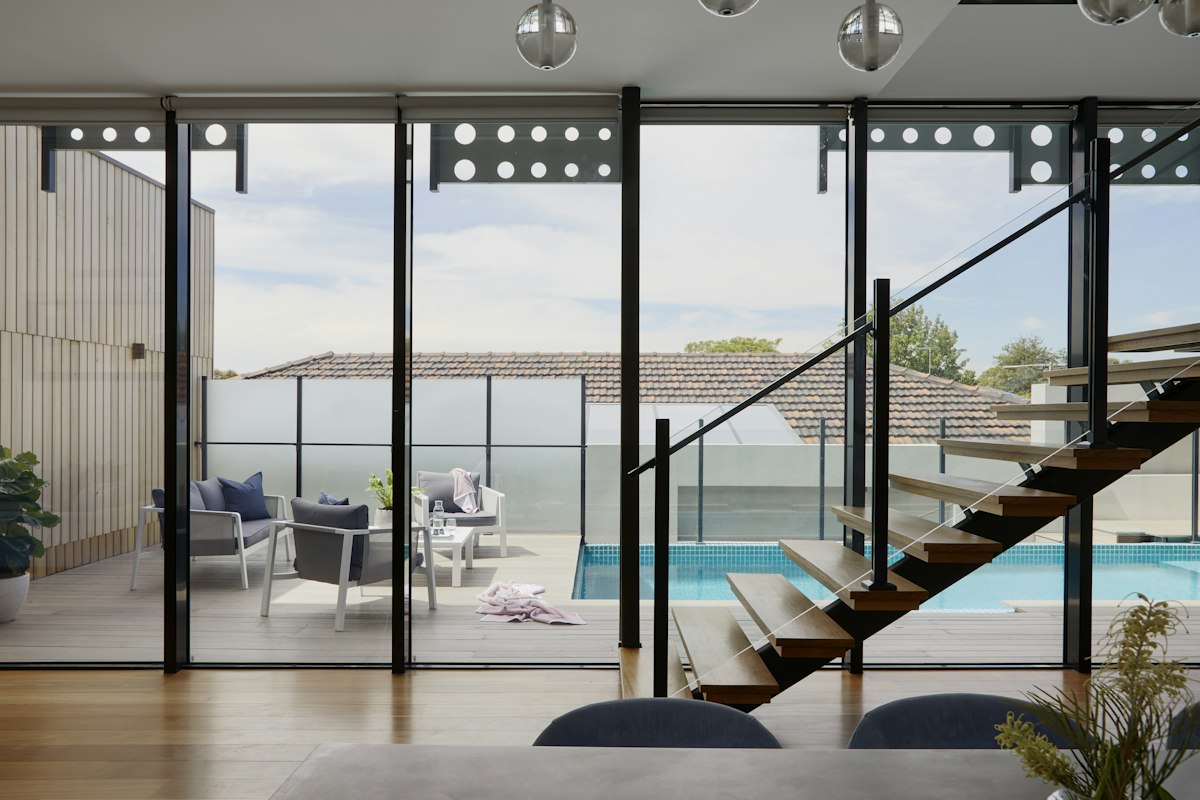
Outdoor-rated porcelain has revolutionized hardscape design, offering the look of natural stone with superior performance characteristics.
Key advantages:
- Near-zero water absorption — Won't crack from freeze-thaw cycles
- Consistent appearance — Each tile matches perfectly
- Stain resistant — Wine, oil, and other substances wipe away
- Low maintenance — No sealing required
- Realistic textures — Can mimic wood, stone, or concrete
Installation considerations:
- Requires a stable, well-compacted base
- Professional installation recommended
- Higher material cost ($8-20 per square foot)
- Larger format tiles need specialized equipment to handle
Porcelain is ideal for modern designs and around pools, but its uniform appearance may feel too "perfect" for those seeking natural variation.
Gravel and Decomposed Granite
For paths, patios, and drainage solutions, loose materials offer an affordable and permeable option.
Decomposed Granite (DG)
Crushed granite that compacts into a firm, walkable surface.
Types:
- Natural DG — Loosest, most prone to tracking
- Stabilized DG — Mixed with binders for a harder surface
- DG with resin — Most stable, highest cost
Cost: $1-4 per square foot, making it the most budget-friendly option
Pea Gravel
Small, rounded stones that create a casual, cottage-style aesthetic.
Best uses:
- Pathways and walking surfaces
- Around stepping stones
- Play areas (with proper depth)
- Drainage layers beneath other materials
Limitations:
- Migrates beyond borders without proper edging
- Uncomfortable for furniture placement
- Not suitable for areas with grade changes
Comparison Summary
| Material | Cost/SF Installed | Lifespan | Maintenance | Best For | |----------|-------------------|----------|-------------|----------| | Concrete Pavers | $15-30 | 25-50 yrs | Low | Patios, driveways, walkways | | Natural Flagstone | $35-75 | 50+ yrs | Medium | Patios, organic designs | | Travertine | $35-70 | 30-50 yrs | Medium-High | Pool decks, formal spaces | | Porcelain Tile | $25-50 | 30+ yrs | Very Low | Modern designs, pools | | Decomposed Granite | $3-8 | 5-10 yrs | Low | Paths, informal areas |
Making Your Decision
The "best" material depends entirely on your specific situation. Consider creating material samples on-site before committing—colors and textures look different in your actual space than in a showroom.
Questions to ask yourself:
- How does this material complement my home's architecture?
- Am I comfortable with the long-term maintenance requirements?
- Does my budget allow for professional installation, or will I DIY?
- How will this material perform in my climate over 20+ years?
- Can I source additional material for future repairs or expansions?
Need help selecting the right hardscape materials for your project? Contact cf.design for expert guidance tailored to your property and goals.